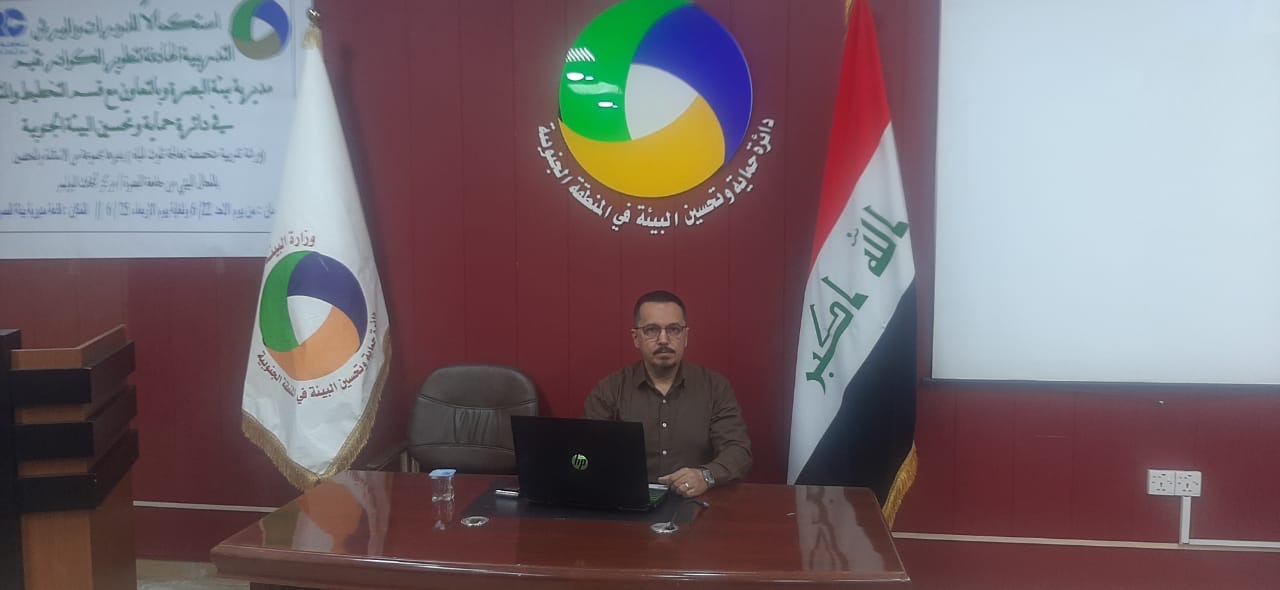
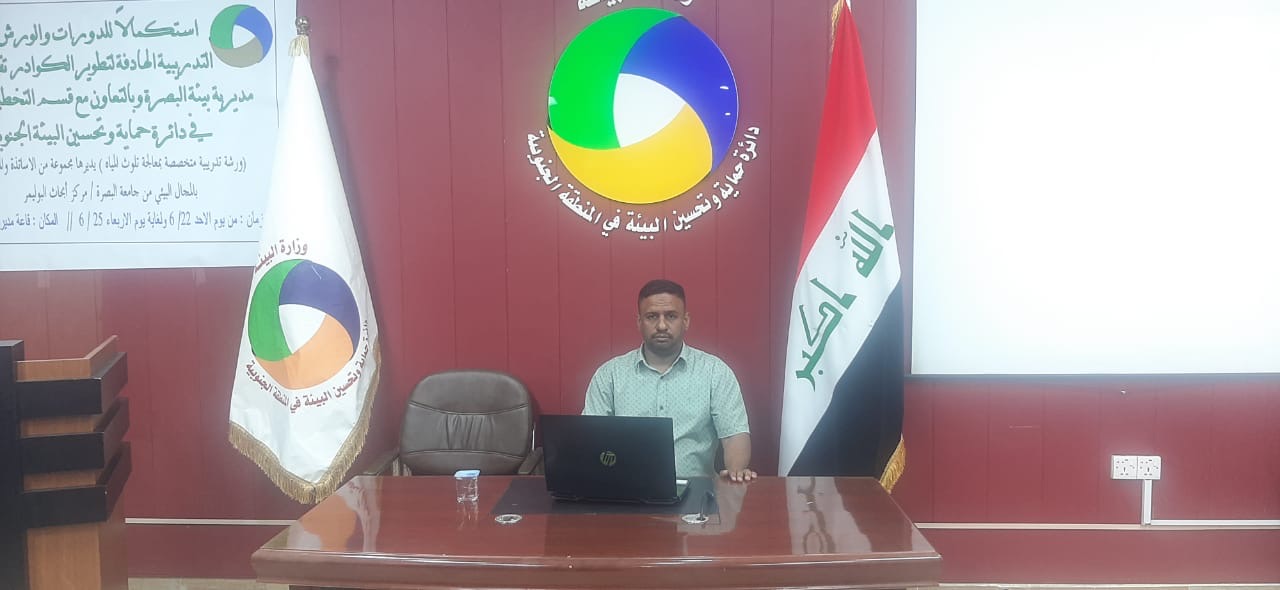
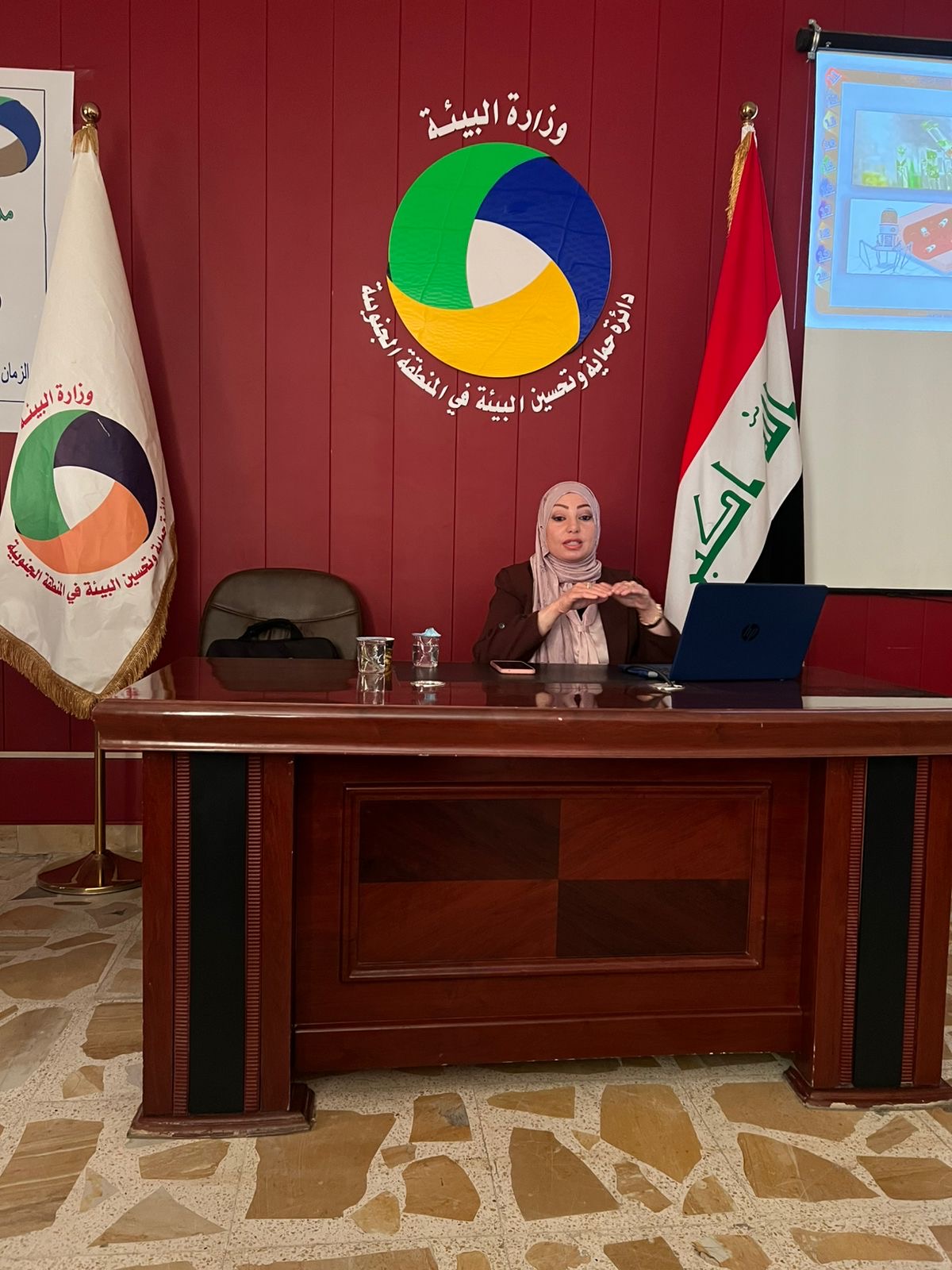
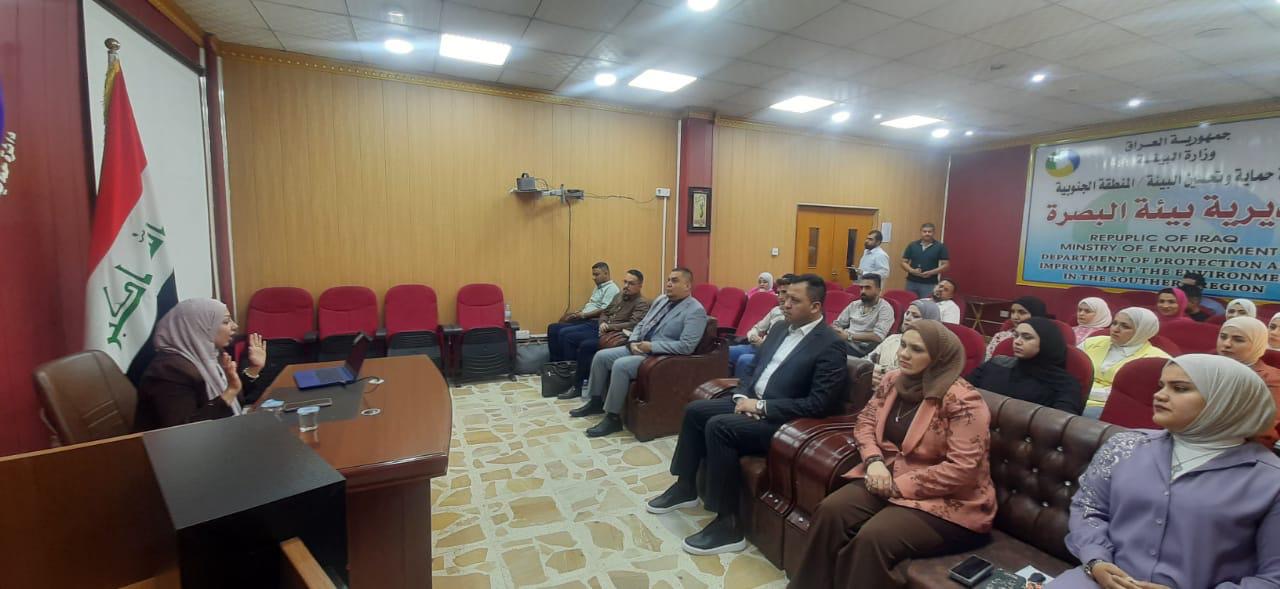
The Polymer Research Center at the University of Basra, in cooperation with the Basra Environment Directorate, organized a workshop on water purification using nanotechnology. The workshop aimed to support research and sustainability plans to rid water of pollutants and bacteria and protect the biodiversity of living organisms. The workshop, which was lectured by Dr. Shaymaa Abdul kareem Shihab, Dr. Ziad Tariq Falak, and Dr. Wissam Abdul Hassan Radhi, addressed these issues. Nanotechnology water purification relies on the use of nanomaterials with unique properties, such as small size and large surface area, making them effective at removing contaminants. Nanoscale membranes act as fine filters, allowing water to pass through while blocking impurities such as bacteria and heavy metals. Adsorbed nanoparticles also capture and remove toxic substances such as arsenic and lead from water. Nanoscale photocatalysis uses light to stimulate nanoparticles (such as TiO₂) to produce substances that oxidize and destroy organic pollutants and microbes. This technology is characterized by high purification efficiency and low energy consumption compared to traditional methods. It also helps produce pure, safe drinking water.
Government Media and Communications Department