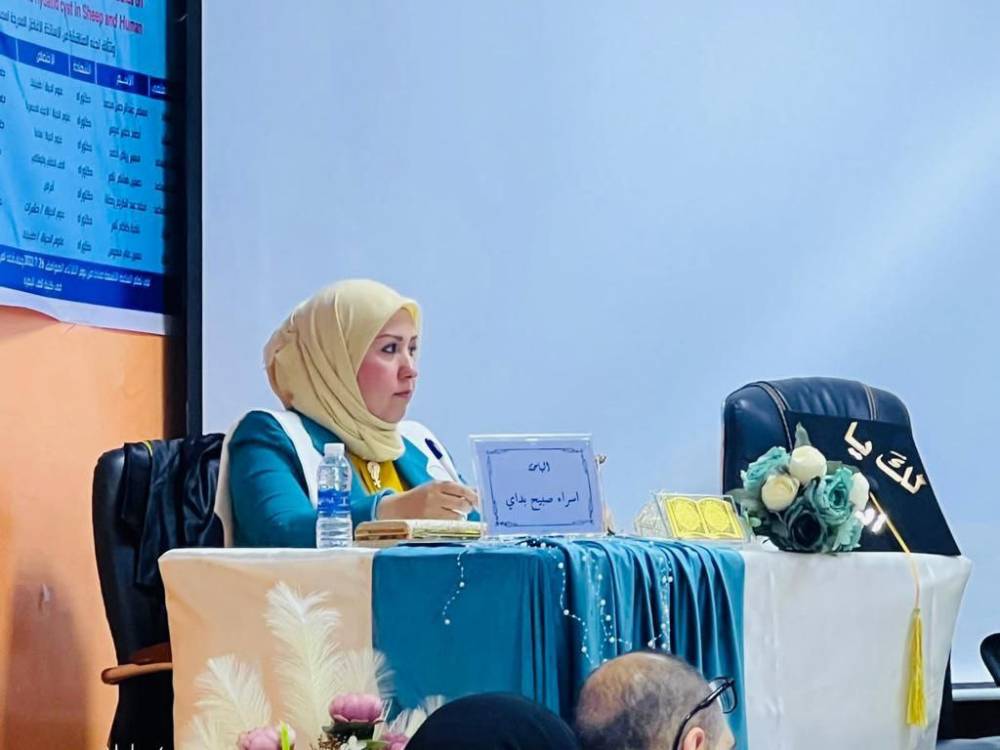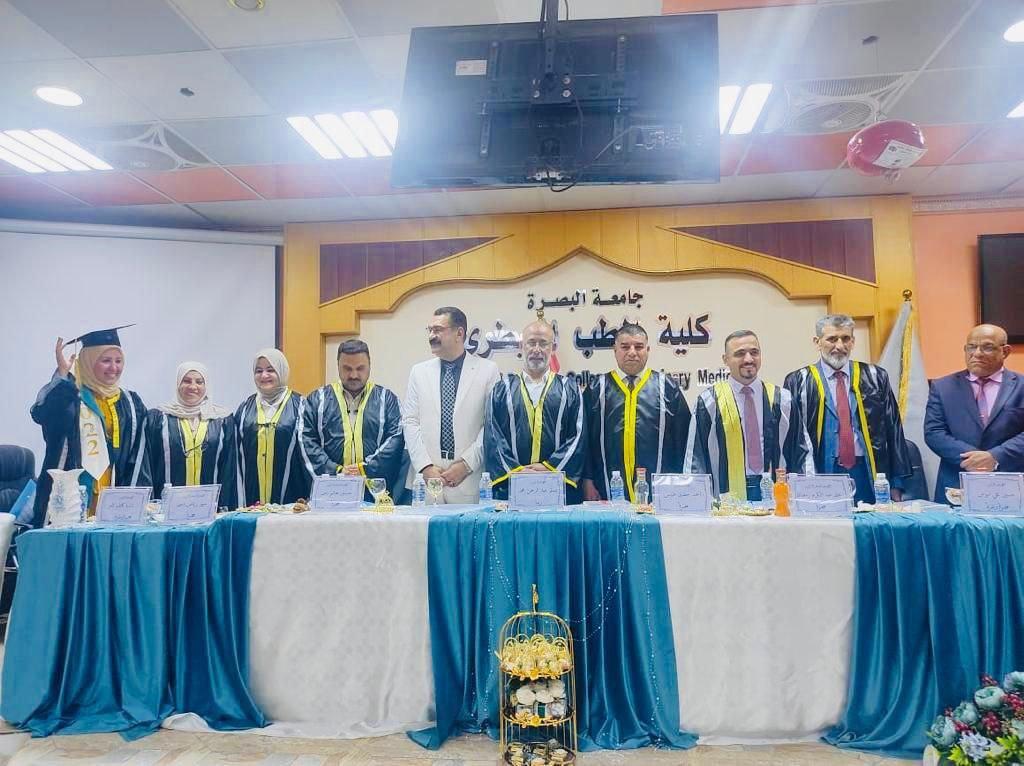
A PhD thesis, titled (a biochemical, therapeutic and immunological study on the water sacs of the parasite Echinococcus granulosus in sheep and humans), was discussed at the College of Veterinary Medicine at Basrah University.
The thesis of the researcher, Israa Sabeih Beday, included epidemiological, biochemical, therapeutic, immunological, molecular (gene expression) and histopathological studies of the larvae of the worms Echinococcus granulosus causing the hydrocysts of sheep, and the larval stage of the Echinococcus granulosus parasite in humans and sheep which was found in both hosts that the liver is more susceptible to infection with the hydatid cyst parasite in sheep than in humans, and that the infection is more in urban areas than in rural areas.
The thesis concluded the spread of hydatid cysts in humans and sheep and the liver is the most susceptible organ to infection. The biochemical analysis of hydatid cysts using GS-MS technology showed that there are differences in the compounds of hydatid cysts in humans and sheep. As for the aqueous extracts of reishi mushroom and blue cancer, it indicated that they contain many effective compounds and that the two extracts work as a stimulator for the immune system, as well as working to heal tissues affected by water bags and reduce inflammation.