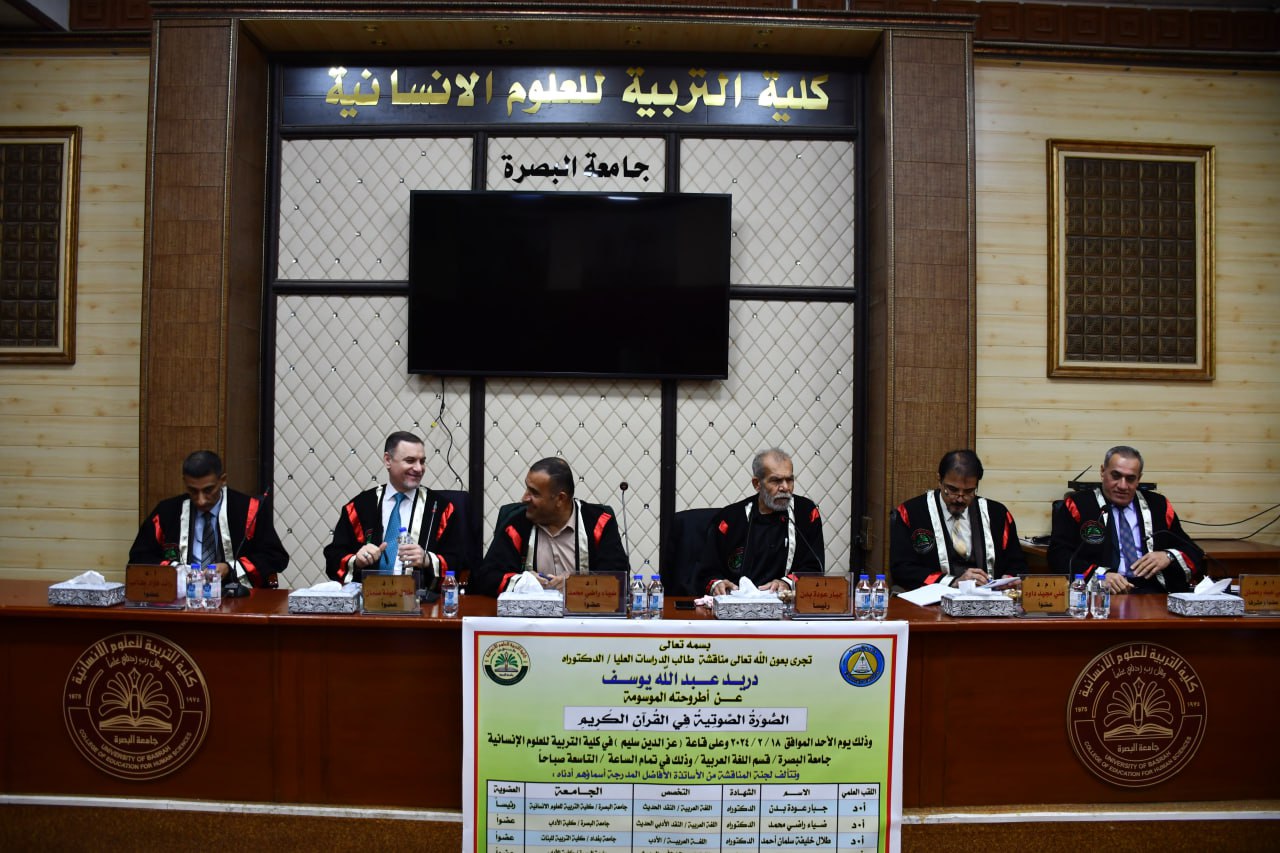
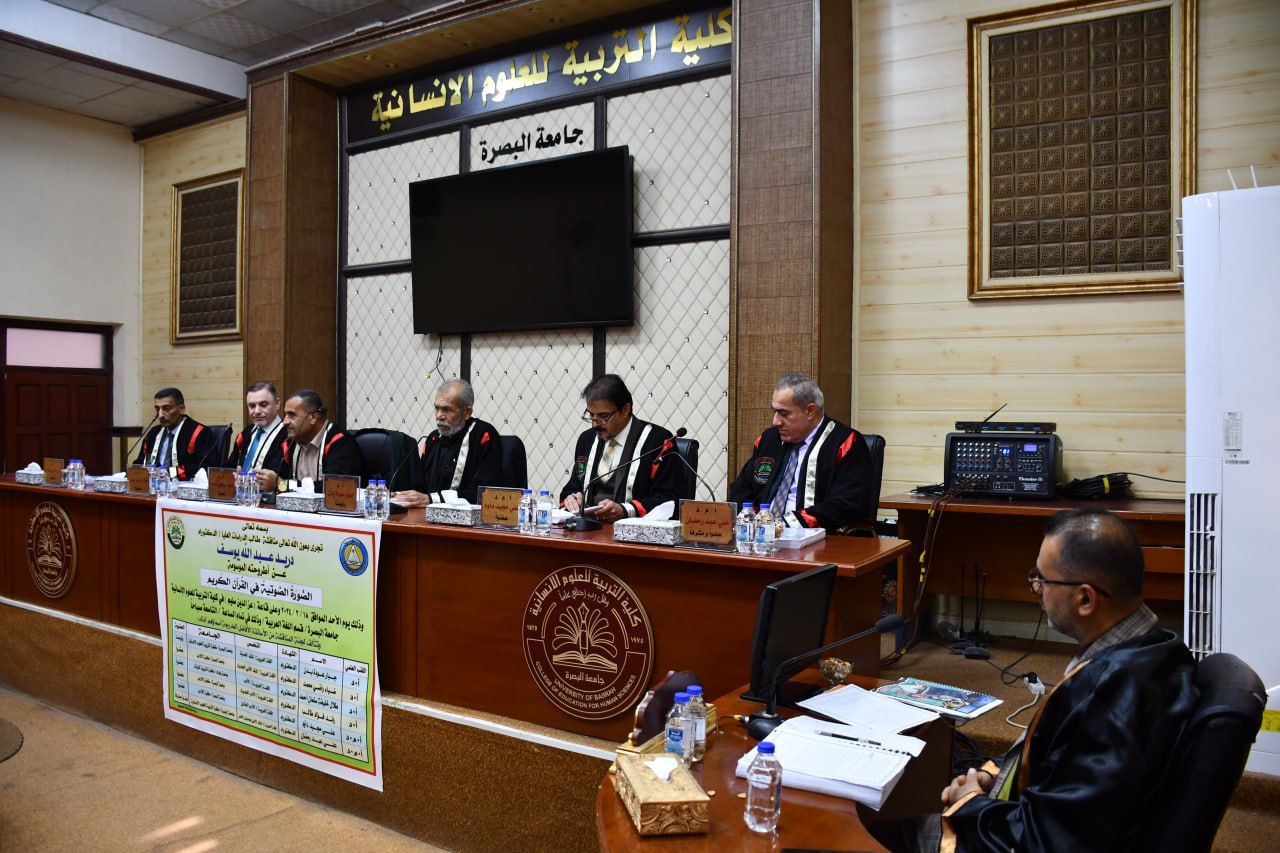
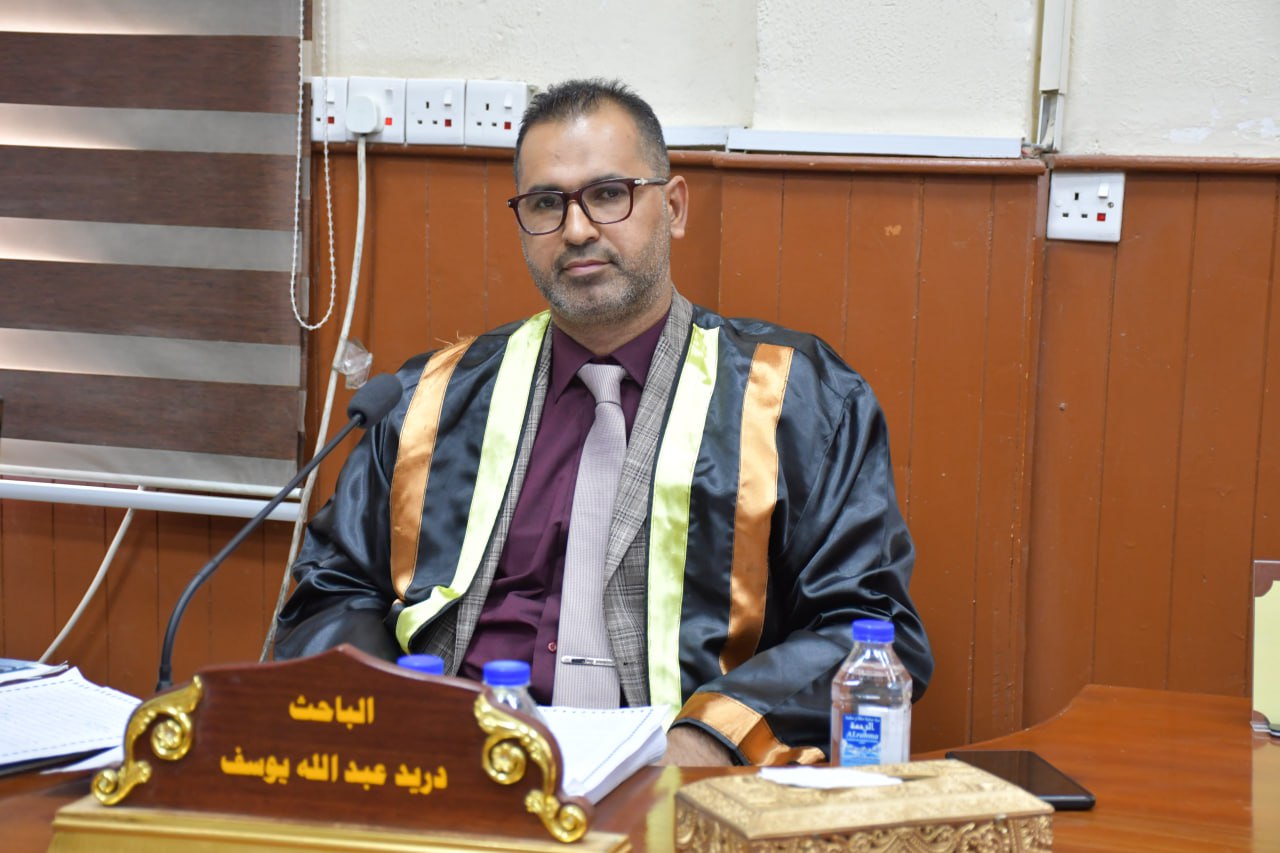
The study examined that the phonetic image is a linguistic structure that is formed in a specific expressive context and invests all expressive energies in the language, especially with regard to its direct phonetic levels that appear in the structure of speech, or indirect to express the meaning in terms of its phonetic aspect or phonetic formation, whether it is tangible and perceived through the context. Or we receive this vocal significance from artistic expression imaginatively.
The nature of the research and the scientific material required dividing it into an introduction and three chapters, followed by the most important results, a list of sources and references. As for the introduction, it required a brief definition of the term image in light of critical terminology and the types of sensory images, then an elaboration on the term sound image (its concept, importance, and how it is formed in the text). Then talk about the influencing factors In the formation of the sound image, then the first chapter was titled The Objective Manifestations of the Sound Image in the Holy Qur’an, and it contains two sections: The first topic: ((Manifestations of the sound image in the scenes of the hereafter and this world)): The second topic is entitled: ((The manifestations of the sound image in the scenes of life) Pledge of allegiance), and he came The second chapter, entitled (Mechanisms of the Formation of the Audio Image - in the Holy Qur’an), contains two sections: The first topic: ((The audio image in the graphic means in the Holy Qur’an)) As for the second topic, it was entitled: ((The Audio Elements In the Qur’anic structure and its effectiveness in forming the phonetic image in The Holy Qur’an)) While the third chapter was devoted to the title: ((The functional and technical dimensions of the vocal image in the Holy Qur’an)), it contains two sections: The first (the functional dimensions of the vocal image in the Holy Qur’an) The Holy Qur’an:), and the second is (the technical dimensions of the sound image in the Holy Qur’an), then We concluded the research with the most important results reached by the effort.
The study aims to answer the use of sound and its effect in shaping the utterance and its semantic presence, and then to show the Qur’anic image and explore it through sound, given that the construction of the text was made by the creator with the sound tool, so the text’s direct or suggestive energy appears, and it appears within a special structural form that carries the characteristics of expression. The semantic level is what prepares it to reflect the psychological, expressive, or artistic level in general of the Qur’anic text. The faculty of imagination has contributed to creating an audio expressive level in which pictorial dimensions are traced at the level of the Qur’anic language, which makes the audio image rely in its auditory composition on the element of imagination as its internal structure in determining its dimensions. Psychological in particular within the expressive energy, and this matter is clearly highlighted in the audio image.
The study revealed that the audio image is a means of expression that emanates from the Qur’anic context in its places and related to its topics. It is an important element of expression, as through it we realize the significance intended by the Qur’anic context to the fullest. The audio images varied according to the topics in which they appear, as We find these images in the Holy Qur’an with a great ability to adapt to the subject and the meaning, and they have the ability to vary in their sound levels. In a situation of distress, we notice a sound image with a distinct sound momentum with bells that suit the connotation and expression, such as the sound images in scenes of resurrection and eternal torment and in places of gentleness, submission, or weakness. We find low sound images that mimic these meanings and perform them to the fullest. Also, in places of threat or challenge, we find appropriate sound images as well. Here it can be said that the sound image, even if it comes in the context of a general pictorial formation, has a formative and expressive specificity at the same time that makes it distinct and different in expression. The Qur’an is different from other literary images.
The thesis recommended that the sound image can be followed in other literary texts by revealing and clarifying its expressive function within these texts