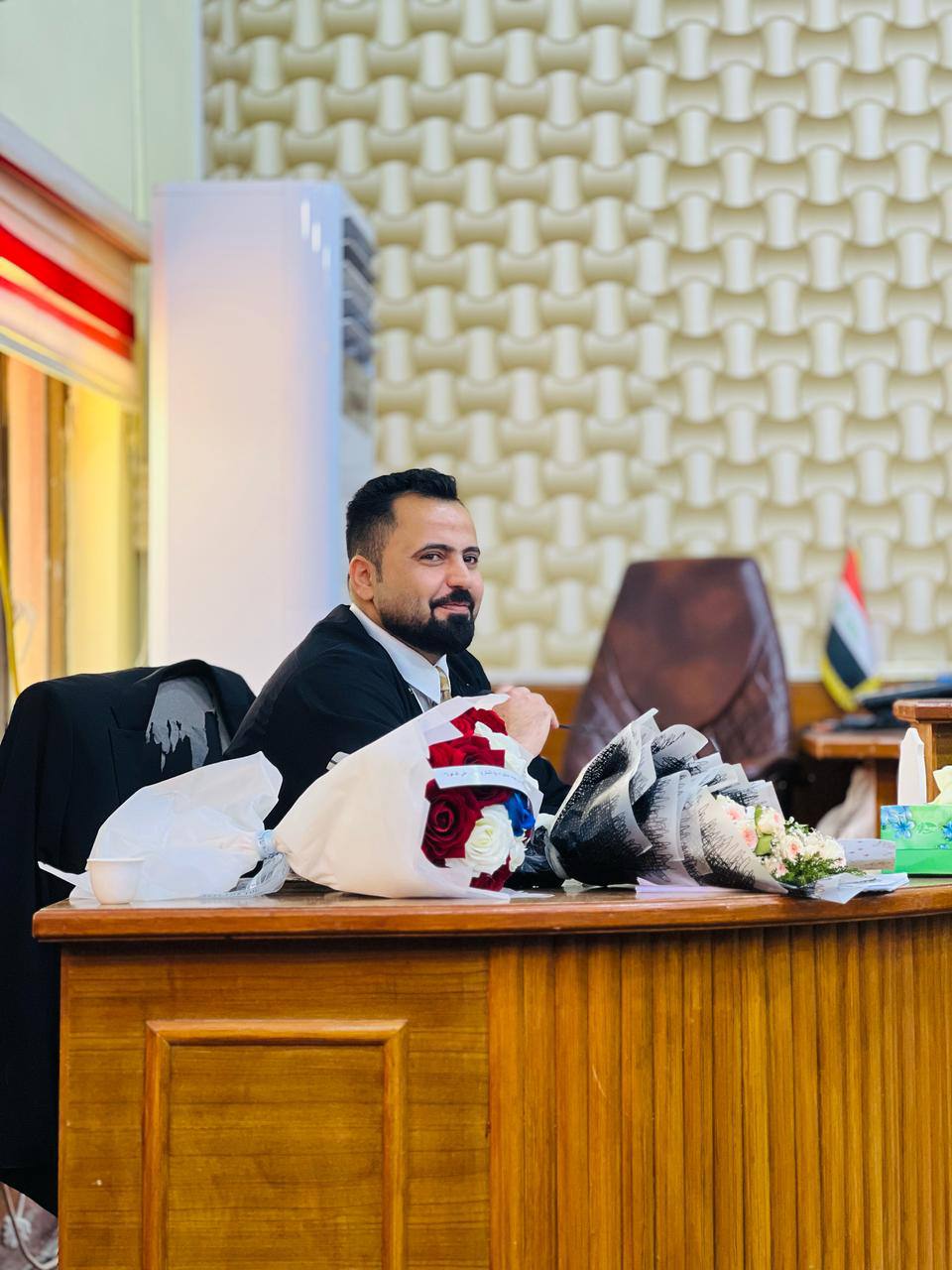
A doctoral dissertation at the College of Education for Humanities at the University of Basra examined "The Spatial Variation of Residential Mobility in the City of Basra and Future Prospects." The dissertation, presented by student Makram Jamal Abbas, aimed to analyze the reality of residential mobility in the city of Basra and highlight the spatial variation in the characteristics of mobile residents, their residences, and the reasons for their movement. It also examined the impact of this on residential mobility trends, creating a realistic picture that reflects the city's historical dimension. It included the problem of the study, the hypothesis of the study, the objectives of the study, the importance of the study, the limits of the study, justifications for the study, the methodology of the study, the sources of the study, the structure of the study, and similar studies. The study was then divided into five chapters: The first chapter addressed the morphological stages and historical development of the city's size and growth. The second chapter defined the size and growth of the population, its concentration, distribution, density, and its impact on the process of residential mobility in the city of Basra. Based on what occurred in these chapters, the following was included: Chapter Three analyzes the spatial characteristics of residential mobility in the city of Basra, including residential regions. Chapter Four discusses the study of population and residential characteristics, including demographic, educational, and social characteristics. Chapter Five explores the motivations for residential mobility and its future prediction using modern programs and technologies. Finally, the study concludes with its findings and recommendations. The majority of those moving are male heads of households, constituting 90.3% of the total number of those moving in the city. Meanwhile, the percentage of female heads of households moving is 9.7% of the total number of moving heads of households in the city of Basra