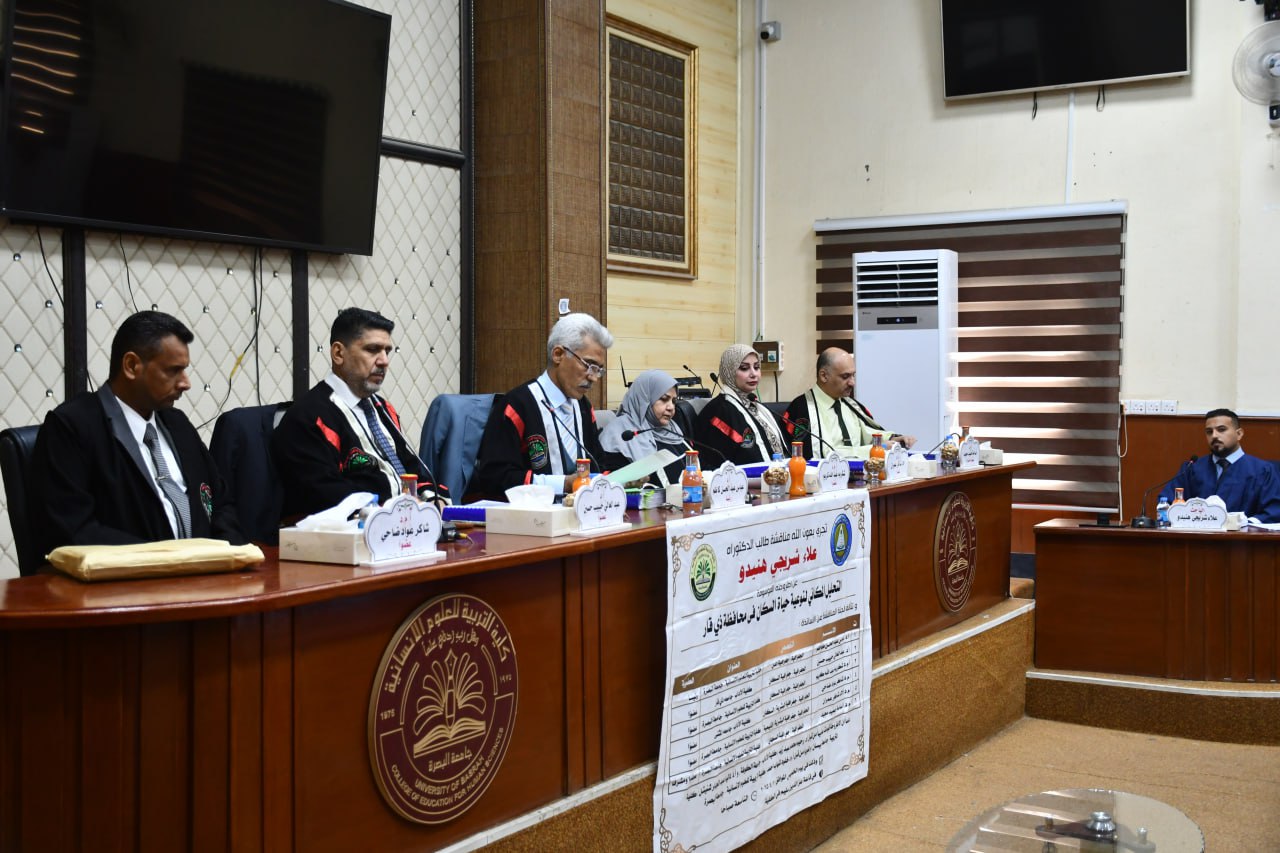
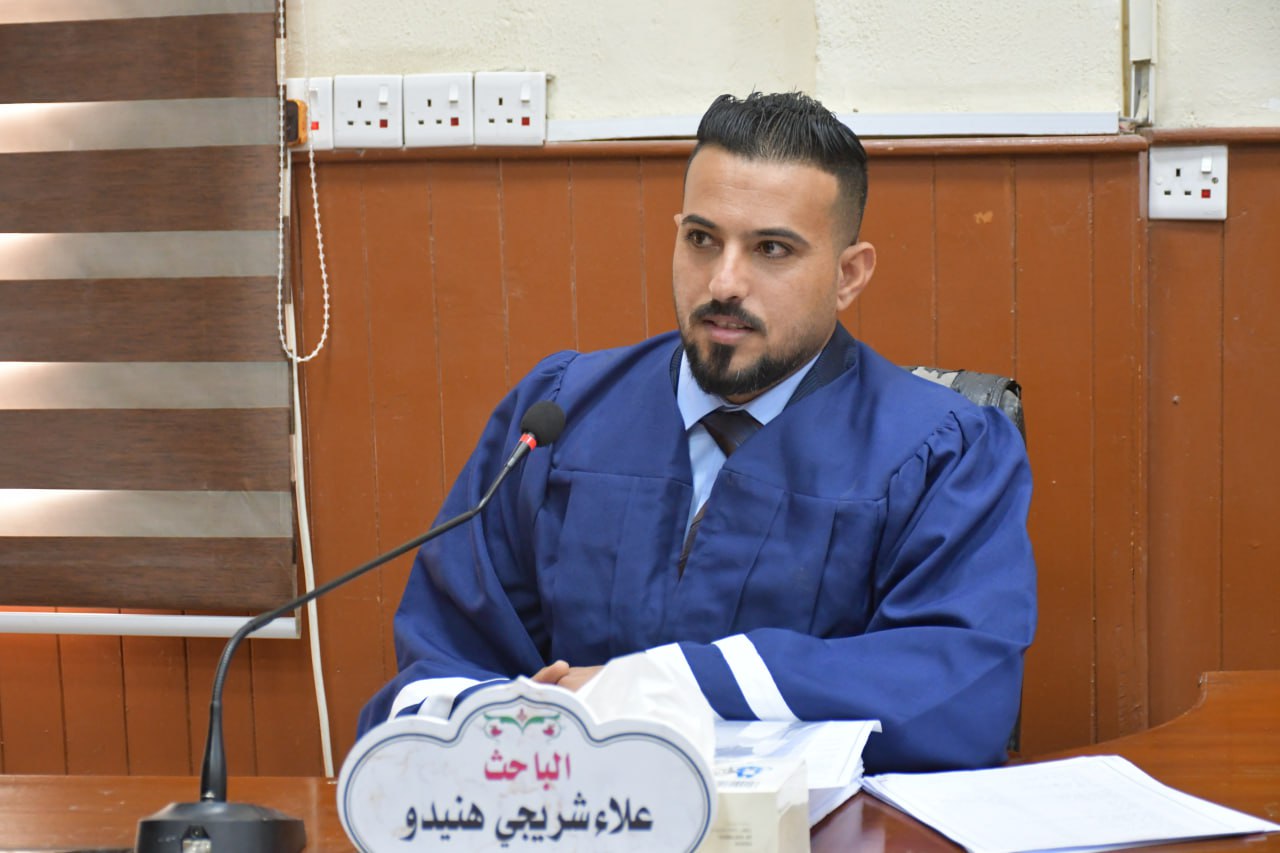
A doctoral dissertation at the College of Education for Humanities at the University of Basra examined (Spatial Analysis of the Quality of Life of the Population in Dhi Qar Governorate). The dissertation included spatial variation in the quality of life of the population by determining its level of geographical variation. The study also addressed the level of deprivation in administrative units based on a set of (6) fields and the indicators included in each field. It identified levels of deprivation and the extent of families' satisfaction with the quality of life experienced by individuals. The study aimed to demonstrate the spatial variation in indicators of the quality of life of the population, with their various variables, between the administrative units of the study area and the extent of the relationship between them, according to a scientific methodology adopted in dividing them according to the three-fold classification (deprived families, self-sufficient families, and better-off families) of the quality of life in those units. The dissertation, presented by student Alaa Shuraiji Hanido, aimed to highlight the spatial variation in the levels of quality of life of the population between administrative units, and then evaluate and classify them according to their recorded ranks, in order to arrive at results that contribute to formulating a future vision that will improve the quality of life of the population, as it is a pillar Essential for development strategies and population planning