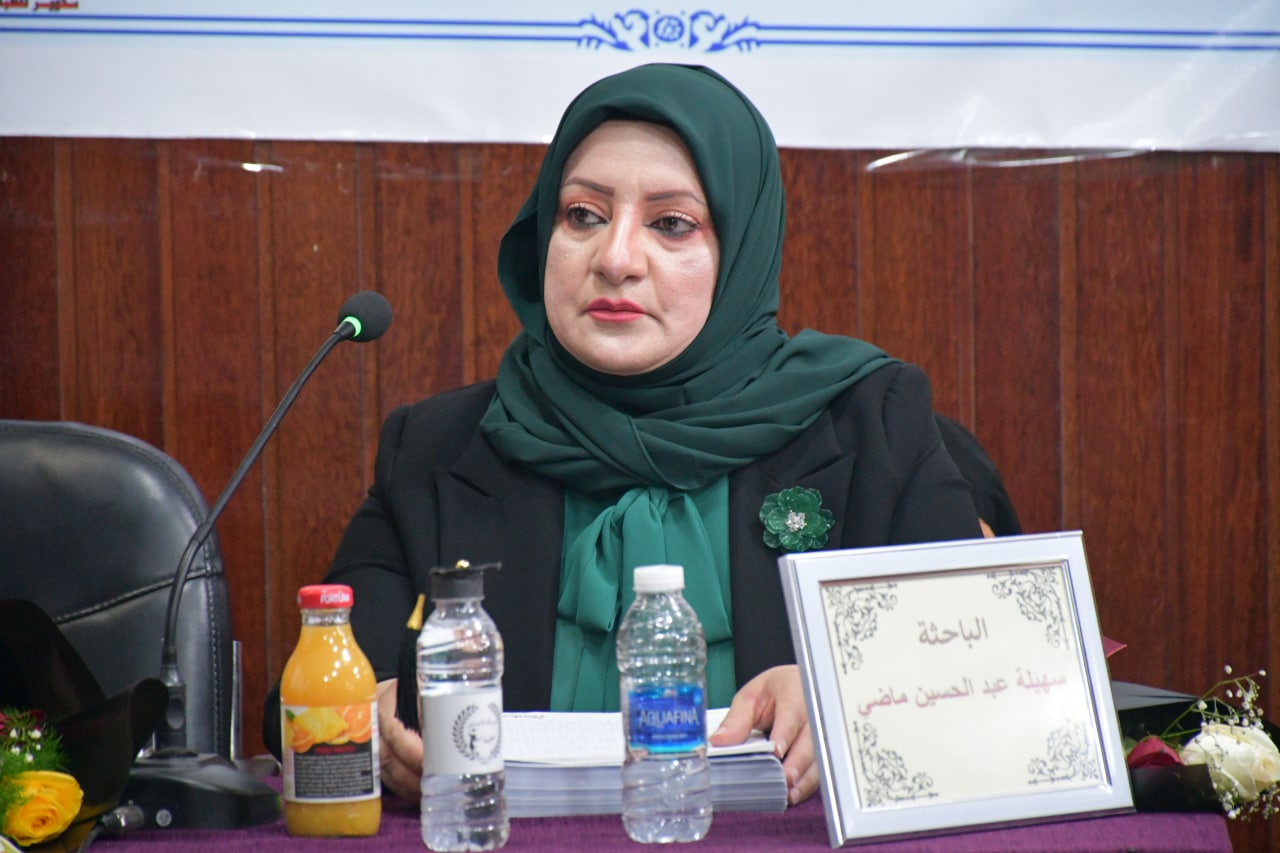
Basra University discusses the American occupation of the Republic of Nicaragua from 1912 to 1933. College of Education for Human Sciences. The master's thesis of a student (Suhaila Abdel-Hussein Madi) at the Faculty of Education for the Humanities of Basra University was discussed in the Department of History (The American Occupation of the Republic of Nicaragua from 1912 to 1933). According to researcher Suhaila Abdel-Hussein Madi, the letter concerns the American occupation of the Republic of Nicaragua, which came in the context of the so-called banana wars: the interventions and wars fought by the United States against the Central American Republics and the countries of the Caribbean Basin, which began at the end of the Spanish-American War in 1898 and began the Good Neighbourhood Policy under President Franklin D. Roosevelt in 1934. These wars were fueled by economic, political, and strategic reasons for the national security of the United States, which began to act on a chaudo-military approach to protect its economic interests, under the influence of the Monroe Doctrine, when it declared its right to intervene to protect the countries of Central America and the Caribbean from threats from European and colonial powers. She divided the letter into four chapters, preceded by an introductory chapter and a conclusion. The introductory chapter involved European discovery and colonization of Nicaragua (1519-1821). Chapter I-Nicaragua's independence and the development of its relations with the United States of America 1821-1912. Chapter two examined the American occupation of Nicaragua and the consolidation of its military and economic presence from 1912 to 1916. Either